Fine Dining vs Casual Dining: What Is the Difference?
When choosing where to eat, understanding the distinction between fine dining vs casual dining helps ensure your meal perfectly matches the mood and significance of your occasion. While both dining styles exist to nourish and delight guests, they operate on completely different culinary philosophies, atmospheres, and service expectations.
Casual dining is built around comfort, accessibility, and immediate satisfaction. The menu is broad, the atmosphere is relaxed, and the service is straightforward without unnecessary formality. It is the kind of welcoming place you can step into without a reservation and enjoy a quick, satisfying meal.
Fine dining operates on an entirely different set of intentions. Every element—from ambient lighting and table spacing to the sequence of courses, wine pairings, and the cadence of staff interaction—forms part of a thoughtfully considered whole. When exploring fine dining vs casual dining, fine dining becomes a sanctuary where time, attention, and storytelling are as much a part of the experience as the artistry on your plate.
Read More:
Fine Dining vs Casual Dining: The Key Differences
To fully appreciate what sets these two dining styles apart, it helps to examine how they differ across the primary touchpoints of the guest journey. Evaluating fine dining vs casual dining highlights how atmosphere, hospitality, culinary technique, and pacing shape your entire evening.
1. Atmosphere, Interior Design, and Ambience
Casual dining venues are typically designed for volume and energy: ample seating, vibrant lighting, and an atmosphere that is naturally lively. The ambient sound and busy energy suit large social groups, casual family gatherings, or a quick weekday lunch where surroundings are pleasant but secondary to the food itself.
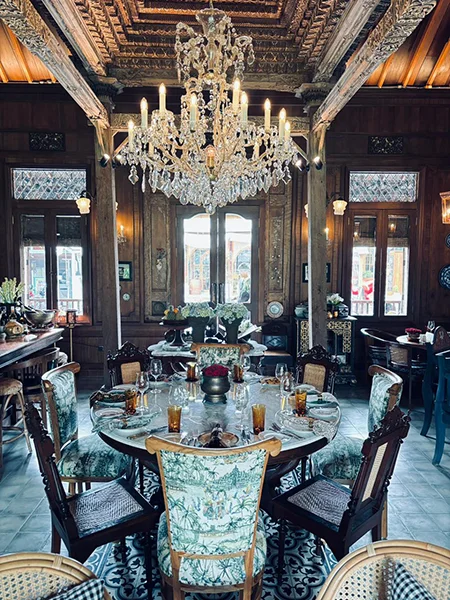
Fine dining, by contrast, is meticulously crafted to give guests a sense of privacy, elegance, and ease. Tables are spaced generously to allow private conversations without interruption. Lighting is carefully calibrated to create warmth and mood rather than basic illumination. When comparing fine dining vs casual dining, the fine dining room itself actively contributes to making the evening feel sacred and memorable from the moment you step through the door.
2. Quality of Service and Hospitality
In casual dining, good service means orders are taken efficiently, dishes arrive promptly, and staff are friendly. This straightforward standard is entirely sufficient for everyday meals and relaxed social catch-ups.
In fine dining, hospitality reaches a far more refined and intuitive level. Front-of-house staff are trained to read the room: refilling glasses unobtrusively, stepping back when an intimate conversation requires space, and describing complex culinary techniques with engaging context. When analyzing fine dining vs casual dining service, the distinction lies not in the number of staff members present, but in the subtle quality and depth of their personal attention.
3. Culinary Expression, Presentation, and Ingredients
Casual dining prioritises familiar tastes, hearty portions, and swift kitchen execution. Dish presentation is neat and inviting, but visual complexity is not the main objective. The primary goal is satisfying hunger with reliable, delicious comfort food.
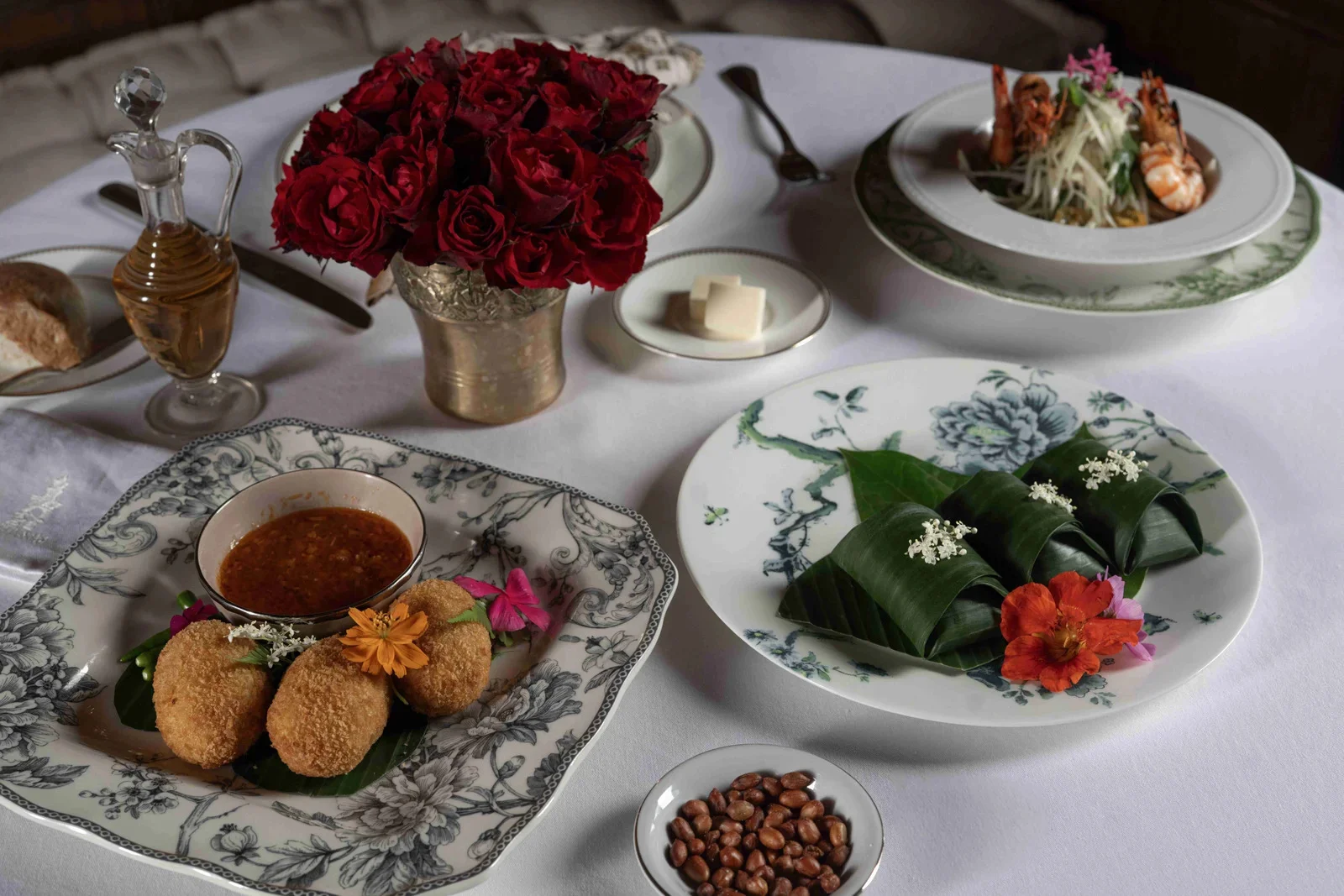
In fine dining, every dish represents a harmony of taste, texture, visual aesthetics, and artisanal craftsmanship. Chefs carefully source premium local or heirloom ingredients, utilizing advanced culinary techniques and artful plate composition. Behind each course lies a narrative—often tied to regional heritage, family traditions, or seasonal harvests—giving profound depth to every bite.
4. Pace, Rhythm, and Time Spent at the Table
Casual dining is engineered for efficiency. Guests arrive, enjoy their meal, and depart within a predictable timeframe, making it ideal for busy schedules or spontaneous outings.
Fine dining invites guests to slow down and embrace the ritual of dining. The measured pauses between courses are not delays; they are intentional spaces designed for guests to converse, savour fine wines, and remain fully present. Pacing is a core element in the fine dining vs casual dining comparison, transforming a standard meal into an immersive evening event.
Which Occasions Suit Each Approach?
Neither style is inherently superior; rather, each fulfills distinct roles in your culinary life. Knowing when to choose fine dining vs casual dining ensures your dining choice aligns with your personal goals:
- Casual Dining is Ideal For: Relaxed weekday lunches, informal family dinners, spontaneous catch-ups with friends, or any occasion where speed, simplicity, and casual comfort take priority.
- Fine Dining comes into its Own For: Romantic dates, honeymoon dinners, anniversary celebrations, milestone birthdays, high-stakes business meetings, or any evening where you wish to honour a special moment with exceptional food and atmosphere.
What Modern Guests Look for in a Fine Dining Experience
Today’s discerning food lovers are rarely interested in rigid, outdated formality. When weighing fine dining vs casual dining, modern diners seek authentic connection and narrative rather than superficial pretense. Key elements that elevate a fine dining establishment include:
- Genuine Hospitality: Feeling truly welcomed as an honoured guest rather than processed as a table turn.
- Uniqueness & Authenticity: Experiencing a menu or setting that cannot be replicated elsewhere, such as dining among historic art or tasting rare heirloom recipes.
- Attentive Customisation: Tailored service that acknowledges dietary preferences, special occasions, and personal tastes with graceful care.
- Cultural Depth: Food that carries a story, bridging rich culinary heritage with modern gastronomic technique.
Discovering an Extraordinary Fine Dining Experience in Ubud
While Bali offers countless casual eateries, finding a venue that elevates the balance of fine dining vs casual dining into something truly unforgettable leads many to the cultural heart of the island.
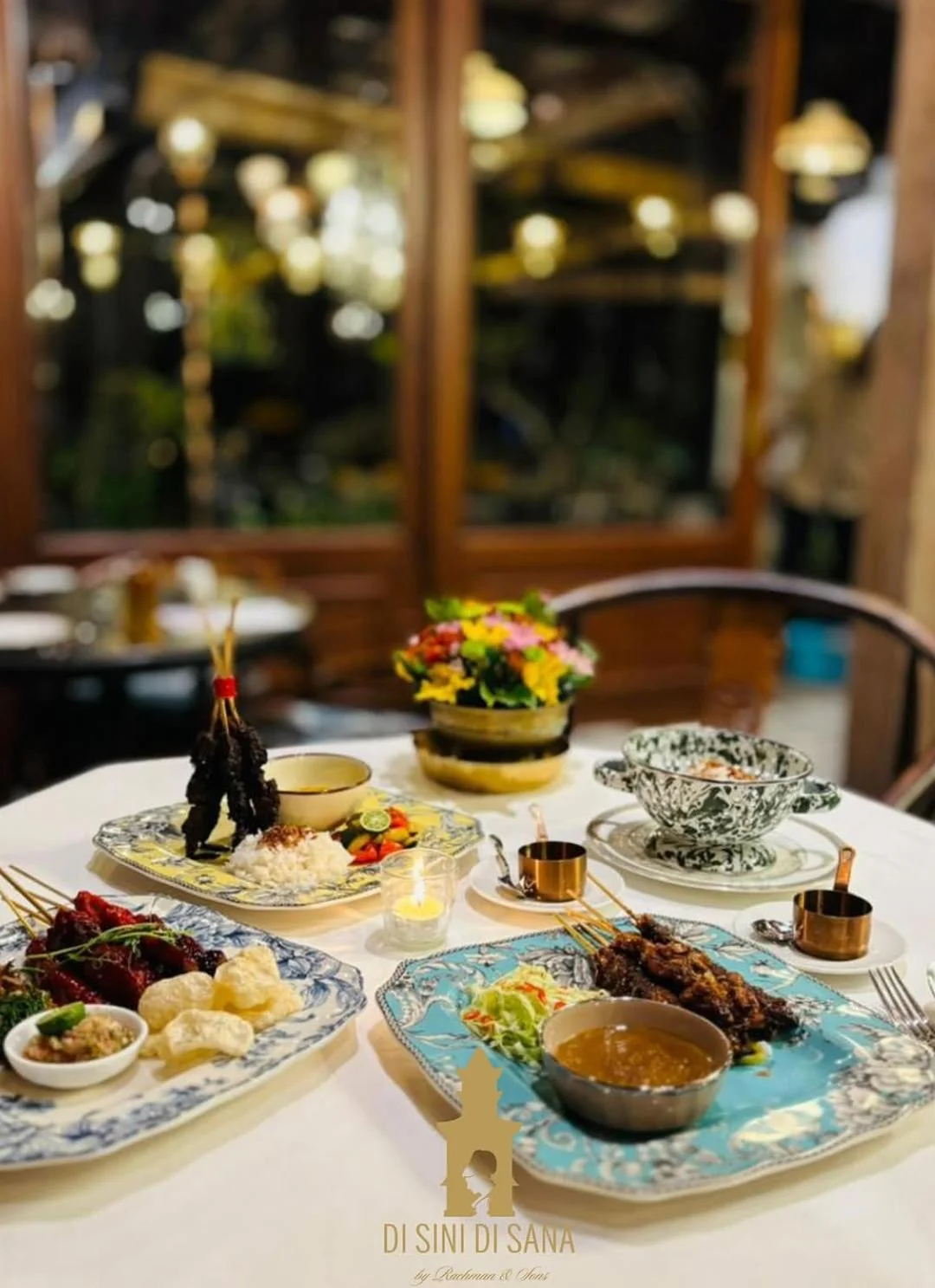
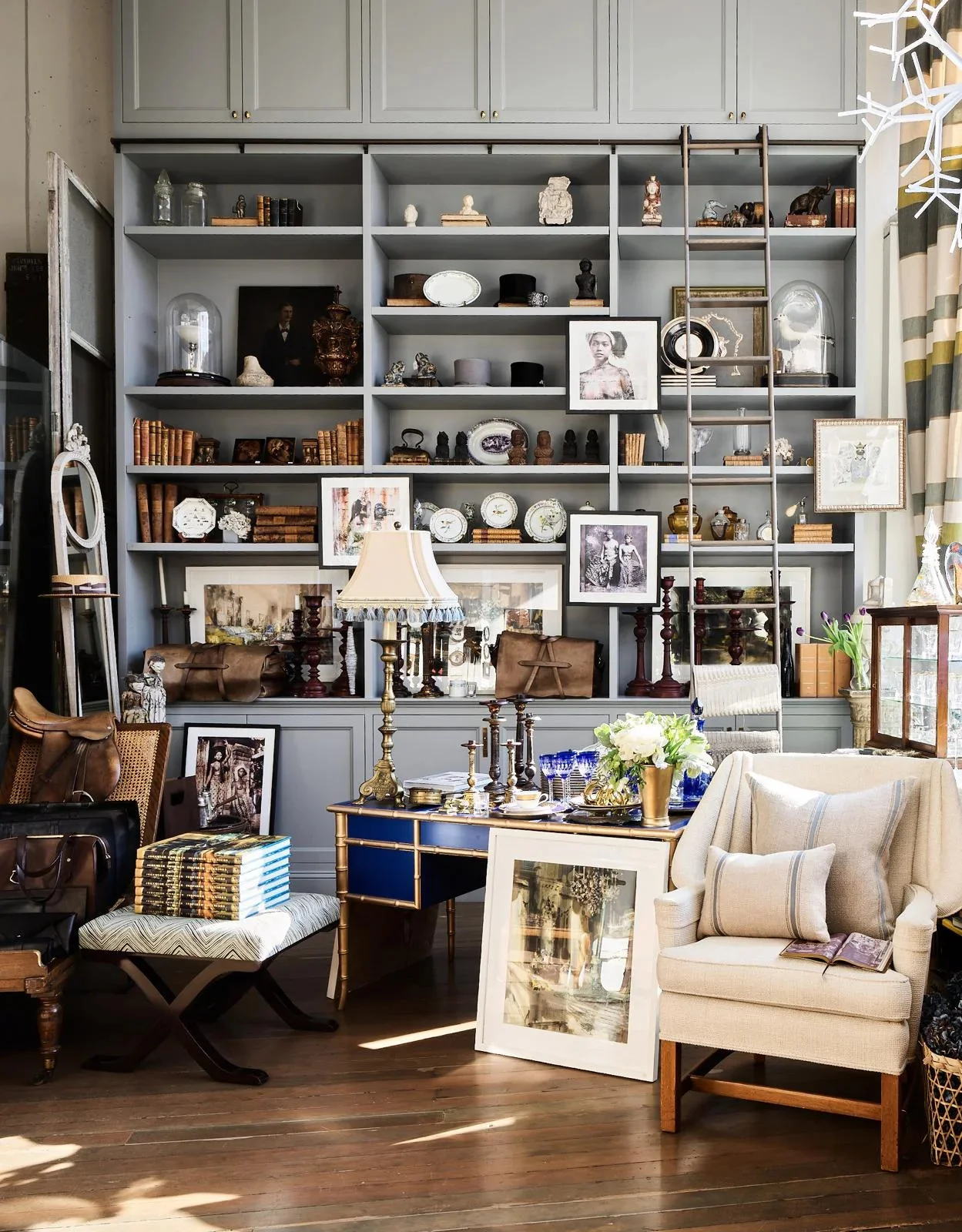
DI SINI DI SANA by Rachman & Sons Restaurant provides a masterclass in refined Indonesian fine dining. Serving authentic Archipelago heritage dishes derived from cherished Rachman family recipes, the venue houses an active antique gallery where guests dine amidst museum-quality historical artifacts. The resulting atmosphere is elegant without being stiff, warm without losing depth, and deeply personal.
Why Guests Choose DI SINI DI SANA by Rachman & Sons
- Unrivalled Living Gallery Ambiance: Dining surrounded by curated antiques and historical art pieces from the Rachman & Sons collection creates a captivating setting found nowhere else in Ubud.
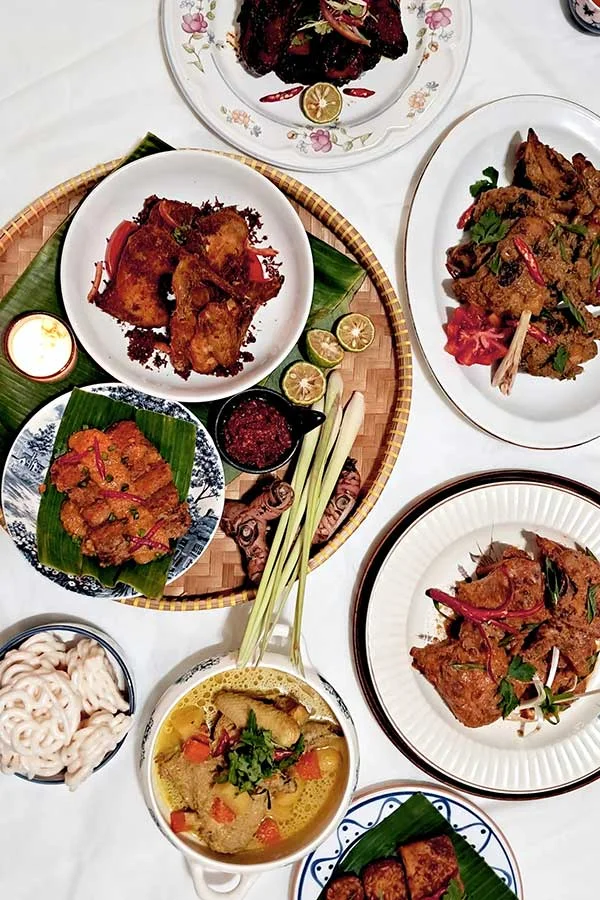
- Heirloom Family Recipes: Rather than relying on commercial formulas, the menu celebrates authentic Indonesian dishes passed down across generations.
- Intuitive, Personal Hospitality: Warm, bespoke service adapts to every guest, ensuring intimate romantic dinners and family celebrations feel uniquely special.
- Unique Category Leader: As the only restaurant in Ubud seamlessly fusing Indonesian fine dining with an active antique collection, it offers a legendary cultural experience.
Frequently Asked Questions (FAQ) About Fine Dining vs Casual Dining
- What is the main difference in fine dining vs casual dining?
The key distinction in fine dining vs casual dining centres on atmosphere, service intensity, and culinary focus. Fine dining delivers an intentional, multi-sensory journey with personalized hospitality and artistic dish design, whereas casual dining delivers swift, accessible comfort food in a relaxed environment. - Is there a dress code for fine dining in Ubud?
Fine dining venues in Ubud generally suggest smart casual attire. In Bali’s tropical climate, polished resort attire—such as linen shirts, dresses, or smart trousers—strikes the perfect balance of comfort and elegance. - Why is fine dining more expensive than casual dining?
The price point of fine dining accounts for rare heirloom ingredients, specialized culinary skills, meticulous presentation, spacious table arrangements, and highly personalized service ratios. - Do I need a reservation for fine dining in Ubud?
Yes. Because tables are spaced for intimacy and capacity is intentionally limited, reserving in advance at restaurants like DI SINI DI SANA by Rachman & Sons guarantees your spot. - Can fine dining restaurants accommodate dietary restrictions?
Absolutley. Premier fine dining kitchens pride themselves on adjusting menus for vegetarian, vegan, gluten-free, or specific dietary requests with advance notice.
Conclusion: Choosing the Right Dining Experience for Your Moment
When weighing fine dining vs casual dining, the choice ultimately depends on the atmosphere and memories you wish to create. For occasions that deserve to be marked with elegance, culinary depth, and timeless atmosphere, DI SINI DI SANA by Rachman & Sons Restaurant offers an extraordinary sanctuary in Ubud. Reserve your table at disinidisanabras.com and experience a meal that stays with you long after the evening ends.
SEO Metadata Details
- SEO Title: Fine Dining vs Casual Dining: Key Differences & How to Choose
- Meta Description: Comparing fine dining vs casual dining? Discover the key differences in service, atmosphere, pace, and menu depth to choose the perfect Ubud dining experience.
- Slug: fine-dining-vs-casual-dining
- Focus Keyword: fine dining vs casual dining